Protection When Storms Breach Your Roofline
Emergency Roof Repair & Tarping in Berea for active leaks, storm damage, and immediate water intrusion after severe weather
An active roof leak during a storm sends water cascading into your attic, soaking insulation, dripping through ceilings, and pooling on floors while the weather event continues overhead. Emergency tarping by Blue Collar Roofing stops additional water from entering the structure by covering damaged sections with reinforced material anchored securely to the roof deck, creating a temporary weatherproof barrier until permanent repairs can be completed safely. Storm damage from fallen tree limbs, wind-lifted shingles, or hail impact requires immediate stabilization to prevent rain from continuing to penetrate exposed roof decking and compromise the interior spaces below.
Emergency response focuses on securing the breach first by installing tarps that extend beyond damaged areas and fasten without creating new penetrations that could introduce additional leak points. Crews document the extent of visible damage with photos from multiple angles, which provides necessary evidence for insurance claims while also identifying which materials need replacement during permanent repairs. Central Kentucky's unpredictable spring storms can dump several inches of rain in short periods, making rapid tarping critical to limiting damage that compounds with every hour the roof remains open.
Call Blue Collar Roofing immediately when water enters your home through roof damage to arrange emergency tarping before the next weather system arrives.
What Emergency Tarping Accomplishes Immediately
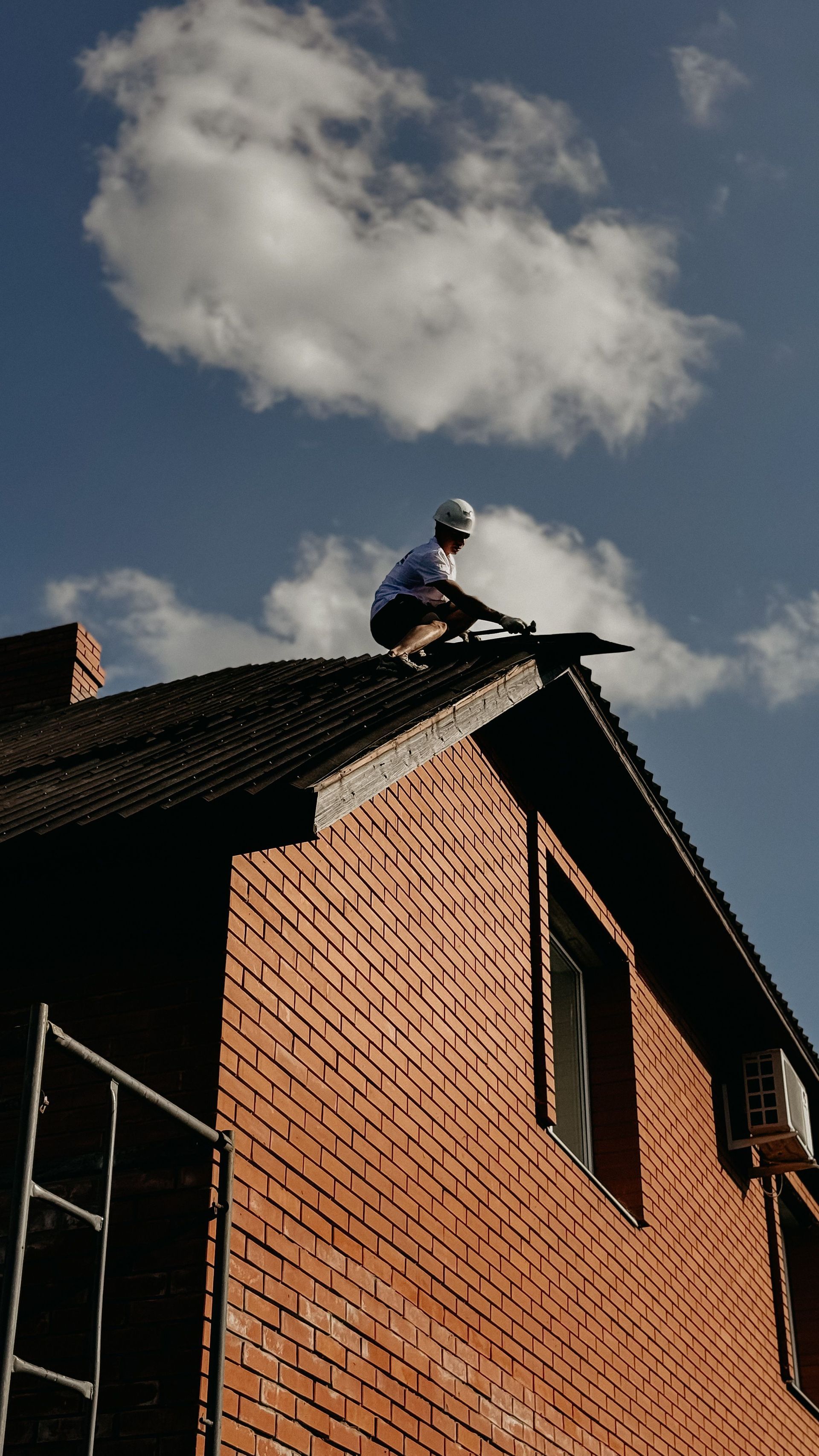
Tarping creates a sealed barrier over damaged sections by overlapping intact roofing materials on all sides and securing edges with fasteners that won't tear free during high winds. The process involves removing loose debris from the damaged area, placing reinforced tarps with UV-resistant coatings, and anchoring them with wood battens screwed directly into solid roof decking rather than relying on adhesives that fail when wet. Proper installation ensures tarps remain effective for weeks if necessary, protecting the structure while weather conditions stabilize enough for crews to perform permanent structural repairs safely.
You'll notice water intrusion stops immediately after tarping, interior spaces begin drying out as humidity from soaked materials dissipates, and additional rain events no longer worsen existing damage. Insurance adjusters can inspect the tarp installation and underlying damage without scheduling during active storms, which speeds claim processing and approval for permanent repair work.
Follow-up inspections after tarping assess structural integrity beneath damaged areas, check for hidden moisture penetration that may have compromised decking or framing, and develop a detailed repair plan that addresses both visible damage and underlying issues exposed by the breach. Permanent repairs scheduled after emergency stabilization replace damaged decking, install new underlayment, and integrate replacement shingles to match existing materials.
Answers to Emergency Roofing Questions
Storm damage requiring emergency response raises immediate concerns about protecting your home while planning permanent repairs, and understanding the temporary stabilization process helps you coordinate with insurance and contractors effectively.
How quickly can emergency tarping be completed after a storm?
Response time depends on crew availability and weather conditions, but most emergency tarps can be installed within hours of contact once winds drop to safe working levels and visibility allows technicians to navigate the roof safely.
What does emergency tarping cost compared to permanent repairs?
Tarping typically costs a fraction of permanent repairs since it involves temporary materials and limited labor, and many insurance policies cover emergency mitigation separately from reconstruction costs, making it financially accessible even before claims settle.
How long can a roof tarp remain in place before permanent repairs?
Quality tarps secured properly last several weeks to a few months depending on weather exposure, but scheduling permanent repairs promptly prevents tarp failure and ensures damaged sections don't deteriorate further from moisture trapped beneath the covering.
Why does emergency tarping matter for insurance claims?
Homeowners have a duty to mitigate additional damage after a loss, and tarping demonstrates you took reasonable steps to protect the property, which supports claim approval and prevents insurers from reducing payouts due to damage that worsened after the initial event.
What happens during the permanent repair process after tarping?
Technicians remove tarps and inspect all exposed areas for hidden damage, replace compromised decking and underlayment, install new roofing materials matched to your existing system, and conduct final inspections to verify weatherproof integrity.
Blue Collar Roofing maintains emergency response availability for Berea property owners facing active roof breaches, providing immediate stabilization and coordinated follow-through for permanent reconstruction. Contact our emergency line at (859) 771-3194 when storm damage compromises your roof and immediate protection is needed.