Permanent Roofing That Outlasts Shingles
Metal Roofing Systems in Berea for homeowners replacing roofs for the last time
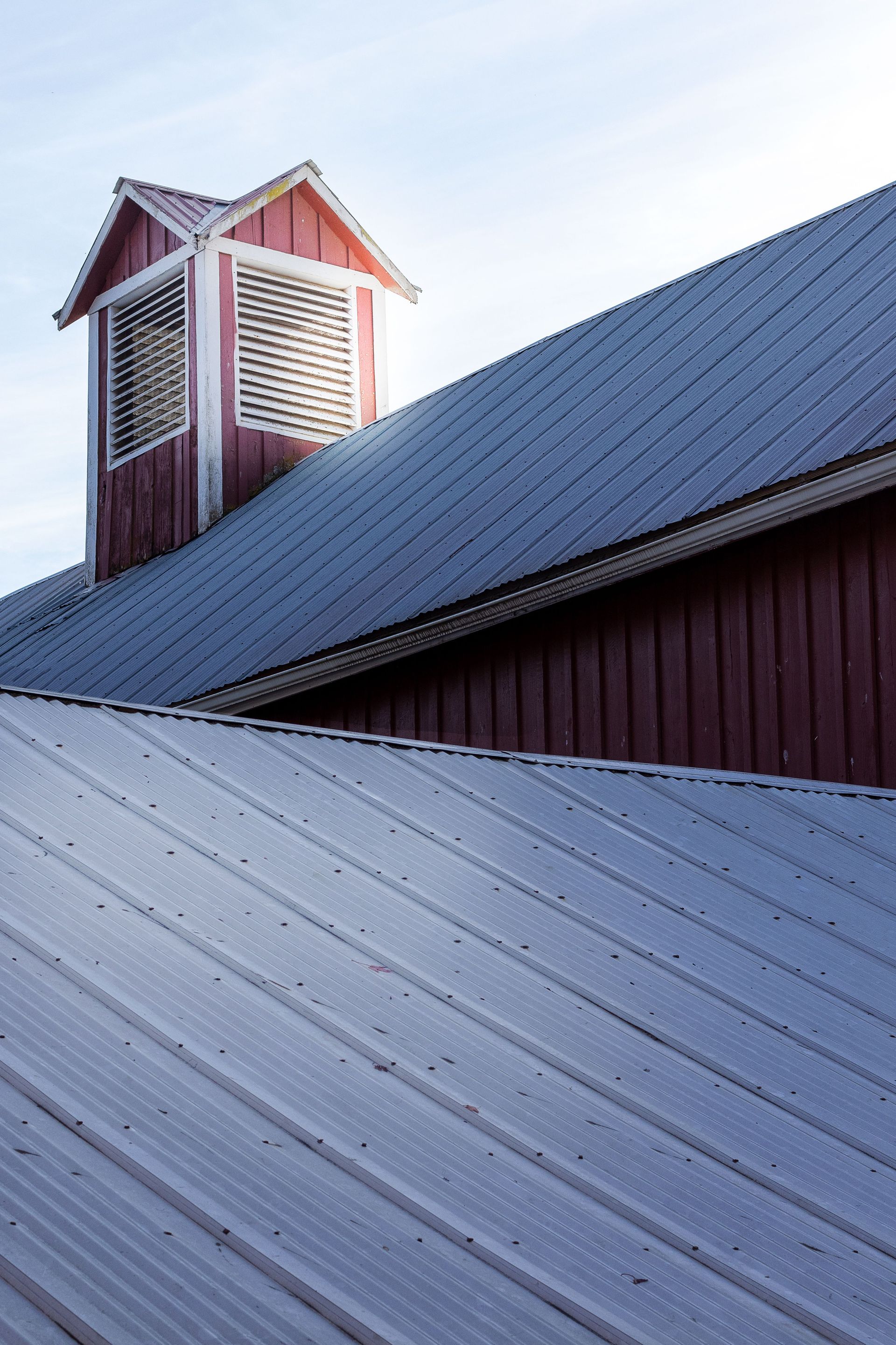
Standing seam metal roofing and interlocking metal shingles perform differently than asphalt products, offering wind resistance, fire ratings, and lifespans that extend 50 years or longer with minimal maintenance. Blue Collar Roofing installs metal roof panels designed for residential applications in Berea, addressing properties where repeated shingle replacement no longer makes financial sense. You see this choice on homes where owners plan to stay long-term or want to eliminate the cost cycle of re-roofing every 20 years.
The installation process involves fastening panels or shingles to solid decking with concealed clips that allow thermal expansion without creating leak points. Metal roofing handles Kentucky's temperature swings and storm conditions without the granule loss or wind damage common to asphalt products.
Request a customized metal roofing consultation to compare panel profiles and finish options for your property.
Why Metal Roofs Perform Safely
Metal roofing does not attract lightning more than other roofing materials, a concern homeowners frequently raise during consultations. Lightning strikes the highest point in an area regardless of material composition, and metal roofs actually disperse electrical energy more safely than combustible materials if a strike occurs. Properly grounded metal roofing systems follow standard building practices without additional risk.
You'll notice that rain sounds no louder on a metal roof than on shingles when installed over plywood decking with heavy-duty underlayment, which absorbs sound transmission. The noise concern stems from metal roofs installed directly over open framing in agricultural buildings, a construction method not used in residential applications. Cool metal roofing technology uses reflective finishes with high thermal emissivity, reducing attic heat gain by reflecting solar radiation rather than absorbing it the way dark asphalt shingles do.
Metal panels resist wind uplift better than shingles due to interlocking seams and mechanical fastening systems that don't rely on adhesive strips. The material doesn't crack in cold weather, absorb moisture, or provide habitat for moss and algae. Color-coated finishes maintain appearance for decades without the fading common to painted surfaces, though the coating itself may show minor scratches from falling branches.
What Proper Installation Requires
Metal roofing installation begins with inspecting the roof deck for rot or structural weakness, since metal panels require solid substrate to perform correctly. Blue Collar Roofing installs synthetic underlayment designed for metal applications, which prevents condensation issues and provides slip resistance during installation.
Standing seam panels run vertically from ridge to eave with raised seams that lock together, creating a continuous surface without exposed fasteners. Interlocking metal shingles install similarly to asphalt products but with mechanical clips that resist wind uplift rated well above 110 mph in most profiles. Flashing details around chimneys, vents, and valleys require custom fabrication to maintain the roof's weathertight integrity.
The longevity advantage comes from eliminating the organic deterioration that limits shingle lifespan. Metal roofing requires no periodic replacement of worn materials, though fasteners and sealants may need inspection after severe weather events. Maintenance involves keeping valleys clear of debris and checking that trim remains secure, tasks homeowners can perform without contractor assistance.
What Homeowners Ask About Metal Roofing
Questions about metal roofing often focus on performance characteristics, installation requirements, and how the material compares to familiar shingle products.
What is the difference between standing seam and metal shingles?
Standing seam panels run in continuous vertical strips with raised interlocking seams, while metal shingles are individual units that overlap like traditional roofing but with concealed fastening systems.
How does cool metal roofing reduce cooling costs?
Reflective finishes bounce solar radiation away from the roof surface rather than absorbing it as heat, keeping attic temperatures lower and reducing the workload on air conditioning systems during Berea's summer months.
Can metal roofing be installed over existing shingles?
In some cases yes, if the deck is structurally sound and local code permits, but tear-off allows inspection for hidden damage and ensures proper underlayment installation for maximum performance.
What maintenance does metal roofing require?
Annual inspections to check flashing, clear debris from valleys, and verify that fasteners remain tight, with no need for shingle replacement, granule loss monitoring, or moss treatment.
How long does a metal roof last compared to asphalt shingles?
Metal roofing systems typically last 50 years or more with minimal maintenance, compared to 20 to 30 years for architectural shingles, making metal the last roof most homeowners will install.
Blue Collar Roofing provides material samples, finish options, and performance data for metal roofing systems suited to residential applications in Central Kentucky. Set up an appointment to review panel profiles and discuss how metal roofing fits your long-term property plans.