
Roofs That Stop Water Where It Starts
Roof Leak Detection & Repair in Berea for ceiling stains, moisture trails, and water damage after heavy storms
Water stains spreading across your ceiling or dripping into your attic signal that moisture has already breached your roof system and started working its way through insulation and framing. Blue Collar Roofing identifies the exact entry point by tracing water backward from where it appears inside to where it penetrates the roofing materials, a process that often reveals the failure happened several feet uphill from the visible damage. Most leaks originate at pipe boots cracked by sun exposure, chimney flashing separated from thermal expansion, or valleys where two roof planes meet and funnel concentrated water flow during heavy Kentucky rainfall.
Leak detection involves inspecting the roof surface for compromised materials, checking attic spaces for moisture trails along rafters, and identifying whether the failure involves shingles, underlayment, or metal components. Water follows the path of least resistance, which means a leak appearing in your living room may trace back to a failed flashing joint fifteen feet away on the roofline. Central Kentucky's seasonal freeze-thaw cycles worsen small gaps into open channels as trapped moisture expands, making early detection critical before wood rot spreads through roof decking.
Schedule a complete roof evaluation to pinpoint leak sources before interior damage extends beyond the visible stain.
What Proper Leak Repair Actually Fixes
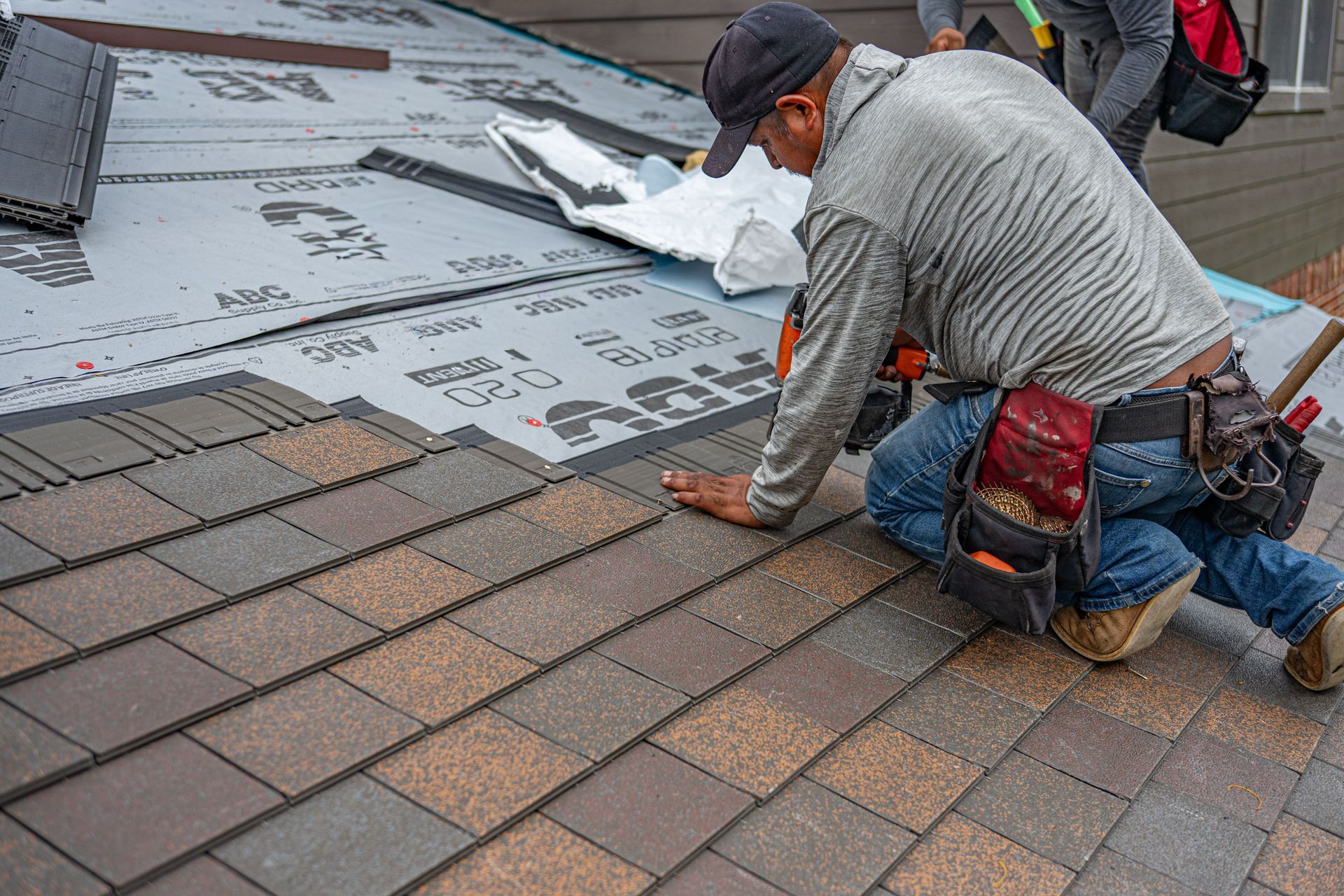
Localized patching replaces damaged shingles and seals the immediate breach, but effective repair addresses why that section failed by examining the surrounding materials for age-related wear, improper installation, or structural issues. Flashing replacement involves removing shingles around chimneys or plumbing vents, installing new metal fitted to the exact profile of the penetration, and layering materials so each piece sheds water downhill onto the piece below it. Valley repairs often require removing shingles on both planes to access the valley liner, replacing degraded metal or membrane, and reinstalling shingles with proper overlap to prevent water from forcing its way under edges during heavy downpours.
Once repairs are complete, you'll notice attic spaces dry out, ceiling stains stop expanding, and insulation no longer compresses from absorbed moisture. Interior humidity levels stabilize because conditioned air isn't escaping through roof breaches while outdoor air infiltrates through the same gaps. Blue Collar Roofing documents repaired areas with photos showing the original failure and finished work, which helps if insurance claims require evidence of corrective action taken before further damage occurred.
Preventative maintenance identifies shingles beginning to curl, flashing showing early separation, or fasteners backing out before they create new leak points. Regular inspections catch small issues during dry weather when repairs can be scheduled efficiently rather than addressing them as emergencies during storms when water is actively entering the structure.
Questions Homeowners Ask About Leak Repairs
Roof leaks in Berea often follow heavy spring storms or winter freeze-thaw cycles, and understanding how repairs address both immediate damage and underlying causes helps you evaluate whether the work will hold long-term.
How do you locate the exact source of a roof leak?
Water travels along roof decking and rafters before dripping into visible areas, so technicians trace moisture trails backward through the attic to where it first penetrates the roofing system, then inspect that section from the exterior to identify the failed component.
What causes pipe boot failures on roofs?
Rubber pipe boots surrounding plumbing vents crack from constant sun exposure and temperature swings, allowing water to run down the pipe into the attic, and these typically need replacement every ten to fifteen years depending on material quality.
When should I repair a roof leak versus replace the entire roof?
Localized leaks caused by isolated failures like damaged flashing or missing shingles warrant targeted repairs, while leaks appearing in multiple areas or accompanied by widespread shingle deterioration indicate the roof has reached the end of its functional lifespan.
Why do roof valleys leak more frequently than flat sections?
Valleys channel water from two roof planes into a concentrated flow that moves faster and carries more volume, which exposes seams and fasteners to greater water pressure and increases the likelihood that gaps will allow penetration.
What happens if I delay roof leak repairs?
Water trapped in insulation compresses the material and reduces its R-value, moisture exposure causes wood decking and framing to rot and lose structural integrity, and prolonged dampness creates conditions for mold growth that spreads beyond the initial leak location.
Blue Collar Roofing addresses leak sources with permanent repairs engineered to handle Berea's seasonal weather patterns, preventing the need for repeated patch work that only delays inevitable structural replacement. Request a detailed leak inspection to determine whether localized repair or broader intervention provides the most effective solution.