Identifying Problems Before They Force Repairs
Residential Roof Inspections in Berea for home purchases, insurance requirements, and aging roofs showing early wear
Comprehensive roof inspections differ from complimentary estimates by documenting every component's condition through systematic evaluation rather than simply quoting replacement costs for visible damage. Blue Collar Roofing conducts detailed assessments covering exterior roofing materials from ridge to eave, interior attic spaces where hidden moisture and ventilation issues appear, and perimeter roof edges where flashing and drainage systems either protect or expose the structure to water intrusion. A certified inspection generates a written report with photos, condition ratings for each roof section, and a projected timeline for repairs or replacement based on current wear patterns and material lifespan.
The inspection process involves walking the entire roof surface to check shingle adhesion, examining flashing around chimneys and vents for separation, and using moisture meters to detect trapped water in decking that isn't visible from ground level. Attic inspections reveal whether ventilation systems function properly, insulation remains dry and effective, and structural framing shows signs of stress or rot from prolonged moisture exposure. These findings help you distinguish between roofs needing minor maintenance, those requiring targeted repairs, and systems approaching failure that warrant full replacement.
Arrange a certified roof inspection to receive documented assessment of your roof's current condition and recommendations prioritized by urgency.
What a Thorough Inspection Actually Covers
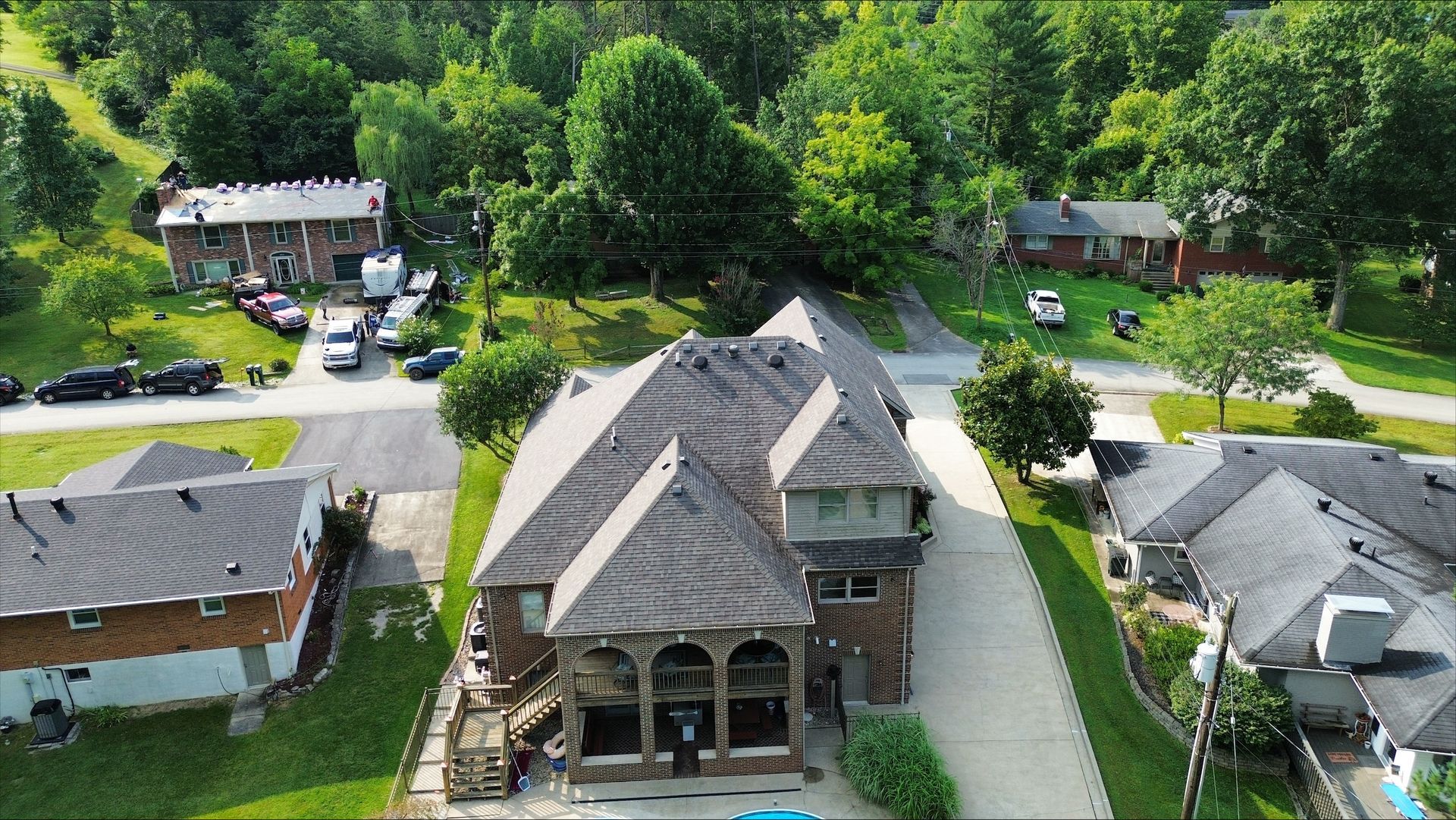
Exterior evaluation examines shingle condition including granule loss that exposes asphalt to UV damage, checks for lifted tabs that allow wind-driven rain to penetrate underlayment, and inspects fastener integrity where nails may have backed out or corroded. Drone inspections capture high-resolution imagery of roof planes too steep or tall for safe walking access, which allows review of ridge vents, chimney conditions, and valley installations without requiring physical presence on every section. Flashing receives close attention since metal components around penetrations often fail before surrounding shingles, and improper installation during original construction may not become apparent until years later when thermal cycling finally opens gaps.
After inspection completion, you'll receive a condition report detailing which areas function properly, which show early deterioration that warrants monitoring, and which require immediate attention to prevent damage from spreading. Life expectancy assessments estimate remaining years based on material type, installation quality, and current wear rates observed during the inspection, giving you a timeline for budgeting future replacement rather than facing unexpected emergency costs when the roof suddenly fails.
Inspections for home purchases identify existing problems before closing, allowing buyers to negotiate repairs or price adjustments based on documented evidence rather than visual assumptions. Insurance documentation provides carriers with detailed roof condition information needed to underwrite policies or process claims, and maintenance planning uses inspection findings to schedule proactive repairs during favorable weather rather than reacting to leaks during storms.
Common Questions About Roof Inspections
Property owners in Berea schedule inspections for various reasons, from due diligence during real estate transactions to proactive maintenance planning, and understanding what the process reveals helps you act on findings appropriately.
What's the difference between a free estimate and a paid inspection?
Free estimates assess whether replacement is needed and provide pricing, while comprehensive inspections document specific conditions across all roof components, identify small problems before they require major repairs, and deliver written reports with photos and condition ratings for each area.
How long does a residential roof inspection take?
Most inspections require one to two hours depending on roof size, complexity, and accessibility, with additional time needed for attic evaluation and detailed photo documentation of conditions requiring closer review.
When should I schedule a roof inspection?
Inspections make sense before purchasing a home, after severe weather events, when roofs approach fifteen to twenty years of age, or when you notice interior signs like ceiling stains or attic moisture that suggest hidden problems.
Why do inspectors check attics during roof evaluations?
Attic spaces reveal whether the roof leaks by showing water stains on decking and framing, indicate ventilation effectiveness through condensation patterns, and expose insulation problems that affect both roof longevity and energy costs throughout the home.
What happens if the inspection finds problems?
The report categorizes findings by severity and provides repair recommendations with approximate timelines, allowing you to address critical issues immediately, plan for moderate concerns within specific timeframes, and monitor minor items that don't yet require intervention.
Blue Collar Roofing delivers inspection reports within days of completing the evaluation, giving you documentation needed for insurance, real estate transactions, or maintenance planning. Request a detailed roof assessment to understand your system's true condition and avoid surprises from undetected deterioration.