Exterior Protection That Requires No Painting
Vinyl Siding Installation in Berea for homes with deteriorating wood siding or outdated appearance
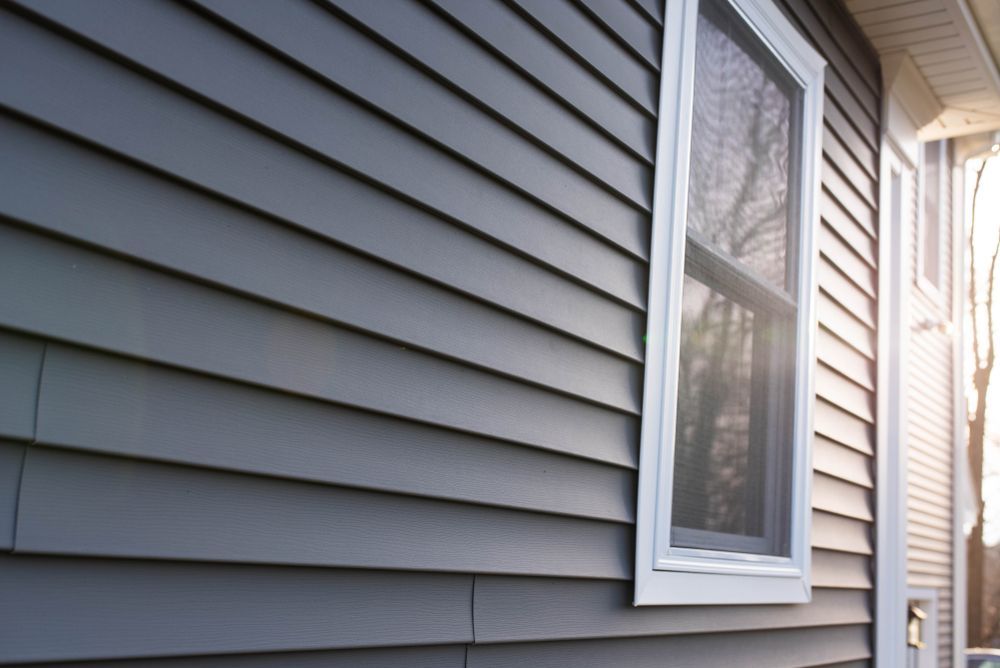
Wood siding that shows rot, paint failure, or moisture intrusion creates ongoing maintenance demands and allows water to reach sheathing and framing. Vinyl siding replacement eliminates those conditions by installing a moisture-resistant cladding system with interlocking panels rated for wind loads up to 110 mph. Blue Collar Roofing handles complete exterior upgrades across Berea, addressing homes where paint no longer adheres, boards have warped, or insects have compromised structural integrity.
The installation process removes old siding down to the sheathing, allows inspection for hidden damage, and installs insulated or standard vinyl panels with proper J-channel and trim details. Locking panel systems create a weathertight envelope that sheds rain and resists pest intrusion without the maintenance cycle of scraping, priming, and repainting.
Schedule a siding assessment to identify sections requiring sheathing repair and review color options that match your home's style.
How Vinyl Siding Addresses Exterior Concerns
Vinyl siding installation starts with removing existing materials to expose the wall structure, which reveals moisture damage, insulation gaps, or sheathing rot that wasn't visible from outside. Any compromised sections get replaced before new siding goes up, ensuring the wall system performs as designed. Insulated vinyl siding includes a foam backing that increases R-value and reduces thermal bridging, improving energy efficiency compared to hollow-back panels installed directly over sheathing.
You'll notice that the exterior no longer requires annual painting or staining, with vinyl panels maintaining color through the material rather than relying on surface coatings that chip and fade. Water runs off without soaking into the material, preventing the rot and swelling that plague wood siding in Kentucky's humid climate. The locking panel design allows slight thermal expansion without creating gaps, and the material resists insect damage that forces homeowners to replace individual boards on wood-clad homes.
Trim selections coordinate with siding color to create a cohesive appearance, and vertical vinyl siding options add architectural interest on gables or accent walls. The material cleans with a garden hose and soft brush, removing pollen and dirt without pressure washing that can force water behind panels. Resale value improves because buyers see a home with updated curb appeal and reduced maintenance obligations.
What Proper Installation Includes
Vinyl siding performs correctly only when panels hang freely on fasteners rather than being nailed tight, allowing the material to expand and contract with temperature changes without buckling. Blue Collar Roofing spaces fasteners according to manufacturer specifications and centers them in the nailing slots, preventing the panel from binding during thermal movement. J-channel around windows and doors provides a finished edge and directs water away from openings.
The bottom course of siding locks into a starter strip that establishes a level baseline, critical for preventing a wavy appearance as courses stack upward. Corners use either individual trim pieces or prefabricated corner posts that accept siding ends, with the choice depending on the home's architectural style. Flashing behind J-channel and around penetrations prevents water intrusion even if wind drives rain up under siding edges.
Color options range from neutral whites and grays to bold blues and greens, with fade resistance varying by pigment type and panel thickness. Wind-load ratings depend on panel profile and locking mechanism strength, with most residential products meeting code requirements for the Bluegrass Region's typical storm conditions. The installation doesn't include structural repairs beyond sheathing replacement, so foundation issues or framing problems require separate attention before siding work begins.
Common Questions About Siding Projects
Homeowners considering siding replacement want to understand material performance, installation logistics, and how the work affects their property during the project.
What is the difference between insulated and standard vinyl siding?
Insulated siding includes a foam backing laminated to the panel that increases rigidity, adds R-value, and improves impact resistance, while standard hollow-back siding costs less but provides no insulation benefit.
How long does vinyl siding installation take?
Most single-family homes in Berea require five to ten days depending on size and complexity, with additional time needed if extensive sheathing repair is discovered during removal of old materials.
Can vinyl siding be installed over existing wood siding?
Sometimes yes, if the wood is flat and sound, but removing old siding allows inspection for hidden damage and ensures proper fastening to studs rather than relying on deteriorated substrate.
What maintenance does vinyl siding require after installation?
Annual cleaning with a garden hose removes dirt and pollen, and occasional inspection of caulk joints around windows and doors ensures sealant hasn't cracked, with no painting or staining needed.
How do wind ratings affect siding performance in Central Kentucky?
Panels rated for 110 mph wind loads resist uplift during severe thunderstorms common to the region, with proper installation being as important as panel rating for maintaining performance during high winds.
Blue Collar Roofing provides detailed estimates that separate siding material costs from trim, labor, and any sheathing repairs discovered during the project. Arrange a consultation to review color samples and discuss coordinated upgrades like soffit and fascia replacement that complete the exterior transformation.